Composting at Home
Learn how households can compost organic waste effectively and integrate compostable products into daily routines.
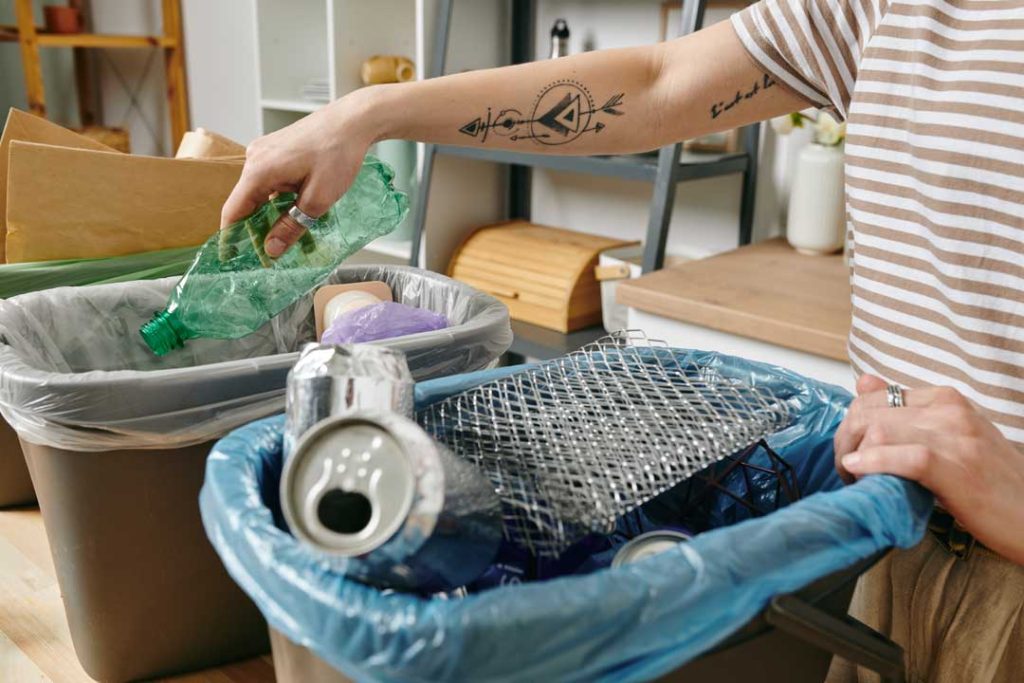
Starting Home Composting: A Simple Step Toward Sustainable Living
Home composting is one of the easiest and most effective ways to reduce household waste while contributing positively to the environment. Instead of sending organic waste to landfills—where it produces harmful greenhouse gases—composting transforms kitchen scraps and biodegradable materials into nutrient-rich compost that improves soil health naturally. This sustainable practice not only minimizes waste but also supports healthier gardens and greener living spaces.
Every household generates organic waste daily, including fruit peels, vegetable scraps, coffee grounds, and garden trimmings. When composted correctly, these materials break down through natural microbial activity, creating a valuable soil amendment that enhances plant growth, improves moisture retention, and reduces the need for chemical fertilizers.
Essential Home Composting Tips
- Use compostable bins or containers: Collect kitchen waste in compostable or biodegradable bins to simplify waste segregation and maintain cleanliness indoors.
- Balance greens and browns: Combine nitrogen-rich materials such as food scraps (“greens”) with carbon-rich materials like dry leaves, cardboard, or paper (“browns”) to support efficient decomposition.
- Maintain proper moisture levels: Compost should feel slightly damp like a squeezed sponge. Too much water slows decomposition, while overly dry compost prevents microbial activity.
- Ensure adequate aeration: Turn or mix the compost regularly to allow oxygen flow, preventing odors and accelerating the breakdown process.
- Use finished compost effectively: Once fully decomposed, apply compost to gardens, indoor plants, or lawns to enrich soil naturally and promote sustainable plant growth.
Environmental Benefits of Home Composting
Composting at home significantly reduces the amount of organic waste sent to landfills, lowering methane emissions and decreasing overall waste management burdens. It also encourages responsible consumption habits and helps households become more aware of their environmental impact. Over time, small actions like composting collectively contribute to healthier ecosystems and reduced dependence on synthetic fertilizers.
Building a Sustainable Daily Habit
Starting a composting routine does not require large spaces or complex equipment. Even small apartments can adopt compact composting systems. By integrating composting into daily routines, households can transform waste into a valuable resource while actively supporting a circular and sustainable lifestyle.